Step-by-step guide for importers sourcing Indian spices for the US market
The global demand for Indian spices is growing rapidly, especially in markets like the United States where consumers and businesses seek authentic flavors, organic products, and cost-effective sourcing.
However, importing spices from India to the USA is not as simple as placing an order. Importers must understand regulations, supplier selection, certifications, logistics, and pricing to avoid costly mistakes.
The good news is:
Businesses can import spices from India efficiently by working with reliable exporters who handle quality, compliance, and international shipping.
Table of Contents
- What Does It Mean to Import Spices from India
- Why Import Spices from India to USA
- Types of Spices You Can Import
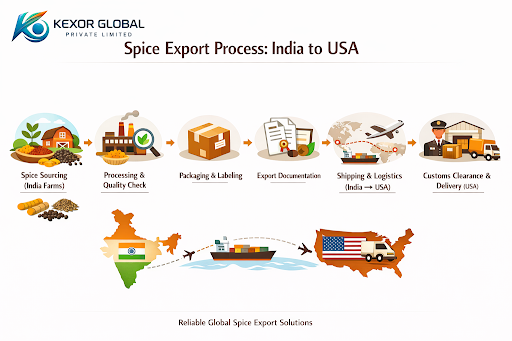
- Step-by-Step Process to Import Spices
- Import Regulations in USA (FDA and Compliance)
- Cost of Importing Spices from India
- How to Choose the Right Spice Exporter
- Packaging, Shipping and Logistics
- Common Mistakes to Avoid
- Key Takeaways
- FAQs
Featured Snippet
Importing spices from India to the USA involves selecting a reliable exporter, ensuring FDA compliance, obtaining import permits, managing shipping logistics, and clearing customs before distribution.
Quick List Snippet
Steps to import spices from India to USA:
- Identify spices to import
- Find a reliable Indian exporter
- Verify certifications (FDA, FSSAI, ISO, HACCP)
- Finalize pricing and MOQ
- Arrange shipping and logistics
- Clear customs in the USA
What Does It Mean to Import Spices from India
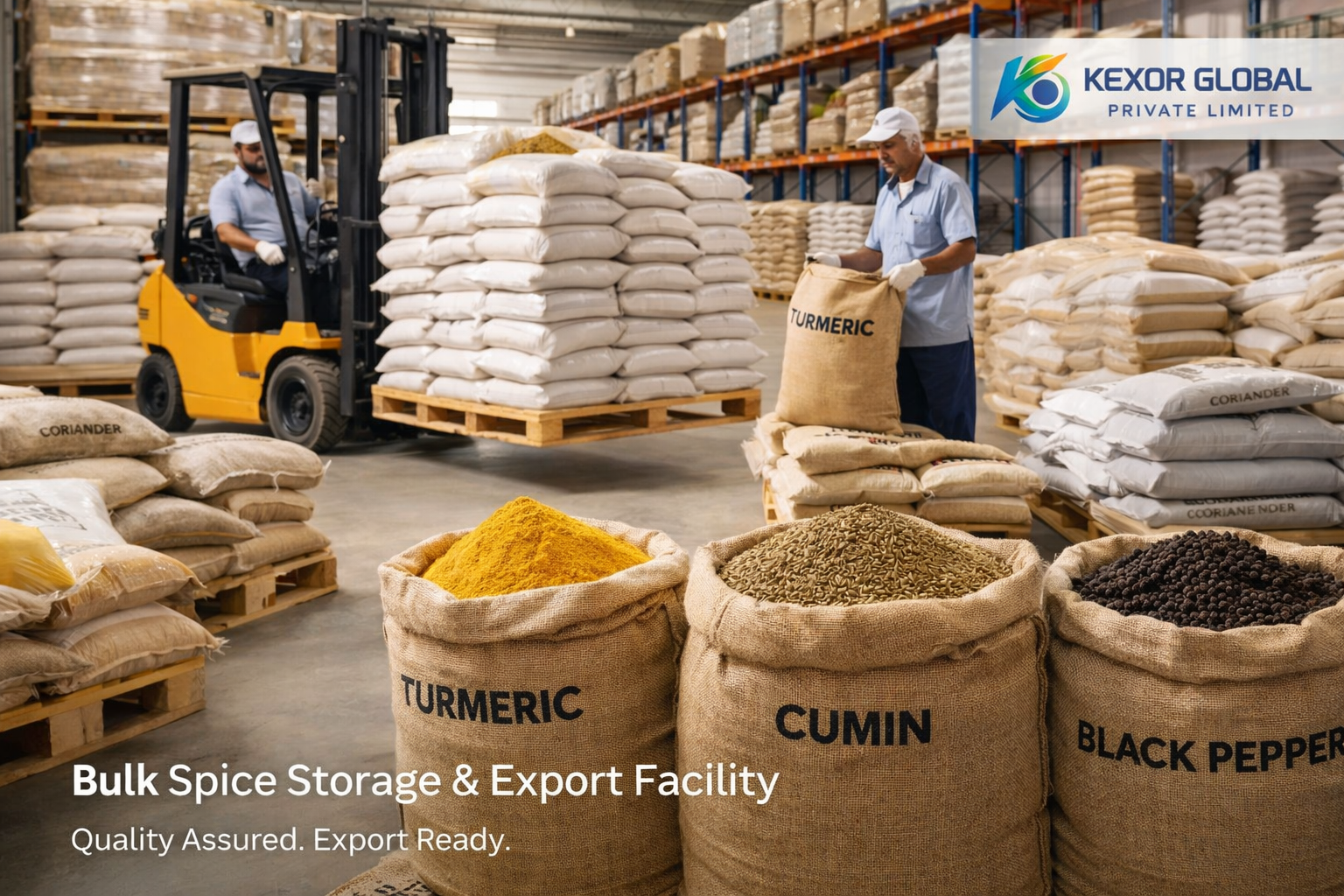
Importing spices from India involves purchasing bulk spices directly from Indian exporters and shipping them to the United States for resale, distribution, or private labeling.
India is one of the largest producers and exporters of spices globally, supplying products like turmeric, cumin, coriander, black pepper, and chilli powder to international markets.
Importers typically include:
- Distributors
- Retail chains
- Food manufacturers
- Private label brands
India contributes a significant share of global spice exports, with strict quality control and export certifications helping ensure international standards are met. Working with experienced exporters like Kexor Global supports quality, compliance, and shipping readiness.
EEAT Boost
India contributes a significant share of global spice exports, and established exporters with structured quality control and documentation support help importers meet international standards more consistently.
Why Import Spices from India to USA
1. Global Leader in Spice Production
India is known for producing high-quality, authentic spices with strong aroma, flavor, and consistency.
2. Cost Advantage
Importing directly from India reduces sourcing costs compared to local suppliers or intermediaries.
3. Wide Variety of Spices
From basic spices to specialty blends, India offers a wide product range through a reliable trusted spices exporter from India network.
4. Growing Demand in USA
The demand for Indian spices is increasing due to:
- Ethnic food trends
- Health-conscious consumers
- Organic product demand
Types of Spices You Can Import
Importers in the US commonly source whole spices and powders from a bulk spice supplier from India.
- Turmeric powder
- Cumin seeds
- Coriander seeds
- Black pepper
- Kashmiri chilli powder
- Cardamom (premium segment)
Step-by-Step Process to Import Spices from India to USA
Importing spices may seem complex, but breaking it into steps makes it straightforward and manageable.
Step 1 - Identify the Spices You Want to Import
Start by selecting spices based on your target market demand and margin goals. Focus on high-demand and high-margin products first.
Step 2 - Find a Reliable Spice Exporter in India
Choosing the right exporter is the most critical step in the process. A reliable exporter will ensure:
- Consistent quality
- Proper certifications
- Timely delivery
- Competitive pricing
Working with an experienced Spices Exporter from India helps reduce risk and improves transaction reliability.
Step 3 - Verify Certifications and Compliance
Before placing an order, confirm that the exporter meets international standards. Key certifications include:
- FSSAI (India)
- ISO certifications
- HACCP (food safety)
- FDA compliance (for USA imports)
This step is essential to avoid shipment rejection or legal issues.
Step 4 - Finalize Pricing, MOQ and Terms
Discuss and document:
- MOQ (Minimum Order Quantity)
- Price per kg or ton
- Packaging options
- Payment terms (advance, LC, etc.)
Always compare multiple suppliers before finalizing.
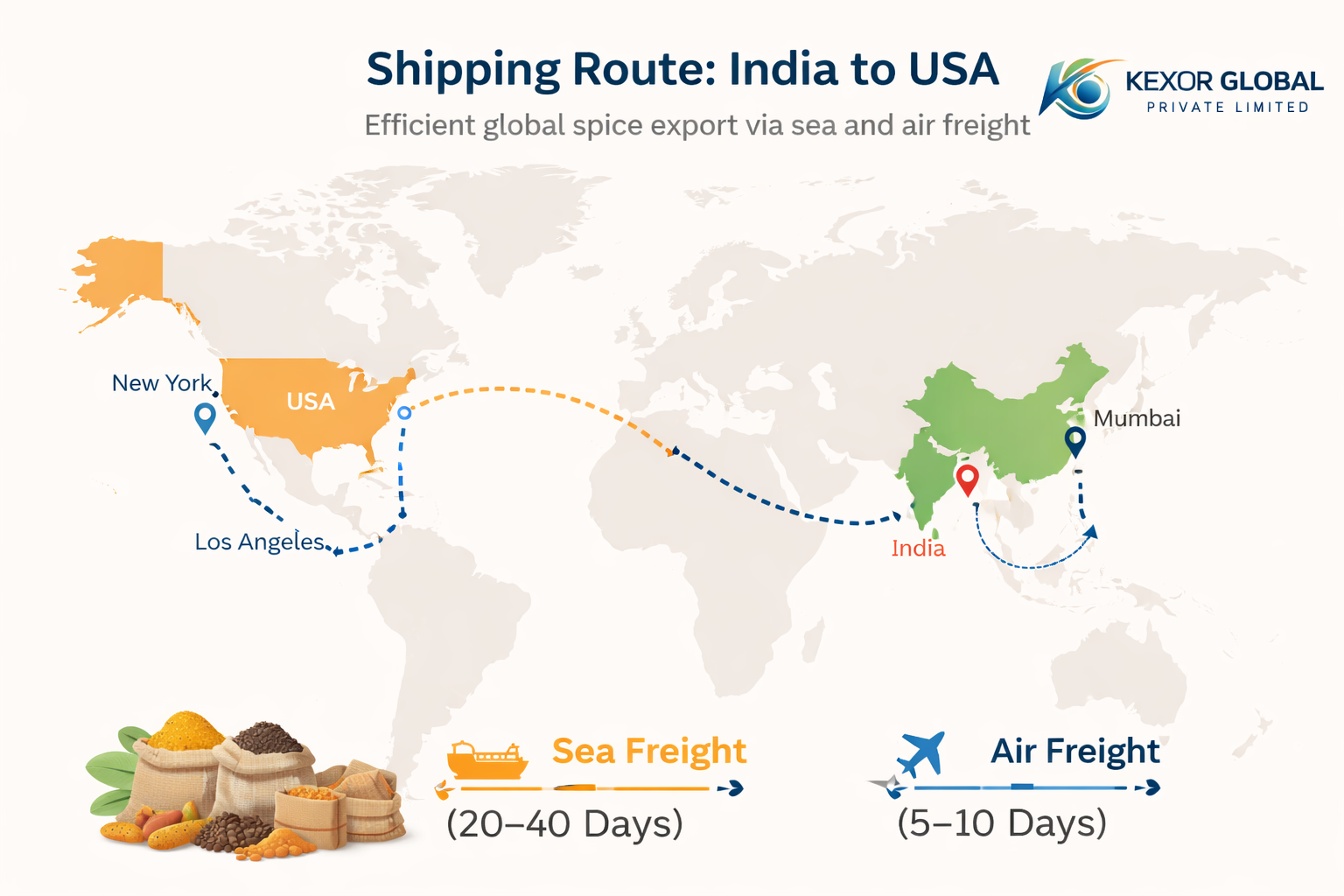
Step 5 - Arrange Shipping and Logistics
Spices are typically shipped via:
- Sea freight (cost-effective for bulk)
- Air freight (faster but expensive)
Ensure packaging quality, labeling compliance, and complete export documentation.
Step 6 - Customs Clearance in the USA
Once the shipment arrives:
- File import declaration
- Pay duties and taxes
- Clear FDA inspection
You may need a customs broker to simplify this process.
Quick Snippet
The process of importing spices from India includes selecting products, verifying suppliers, ensuring compliance, arranging logistics, and clearing customs in the USA.
Import Regulations for Spices in the USA (FDA and Compliance)
Understanding regulations is essential for successful import.
FDA Requirements
The U.S. Food and Drug Administration regulates food imports, including spices. Importers must ensure:
- Facility registration with FDA
- Prior Notice submission before shipment
- Compliance with food safety standards
Labeling Requirements
Spice packaging must include:
- Product name
- Country of origin
- Ingredients
- Manufacturer and exporter details
Food Safety Standards
Spices must meet:
- Contamination limits
- Hygiene standards
- Quality checks
Non-compliance can lead to shipment rejection. Import regulations in the USA are strictly enforced, and working with compliant exporters helps avoid delays, penalties, or rejected shipments.
EEAT Boost
Import regulations in the USA are strictly enforced, and exporters with proven compliance systems and complete paperwork support reduce customs risk and operational delays.
How to Choose the Right Spice Exporter from India
Choosing the wrong supplier can result in:
- Poor quality
- Delayed shipments
- Financial loss
Key Factors to Consider
- Experience in Export Markets: Prefer exporters serving USA, UK, and UAE markets.
- Certifications and Compliance: Ensure all required export certifications are available.
- Product Quality: Ask for samples, lab reports, and quality specifications.
- Packaging Capabilities: Confirm bulk packaging, custom branding, and private label support.
Instead of managing multiple vendors, partner with a single private label spices manufacturer India or integrated exporter who can handle quality control, documentation, and logistics coordination.
Cost of Importing Spices from India to USA
Understanding total landed cost is crucial before starting your import business.
1. Product Cost (Base Price)
Product cost depends on spice type, quality grade, and organic vs non-organic sourcing. Turmeric is often lower cost with higher volume, while cardamom is a higher-value premium item.
2. Packaging Cost
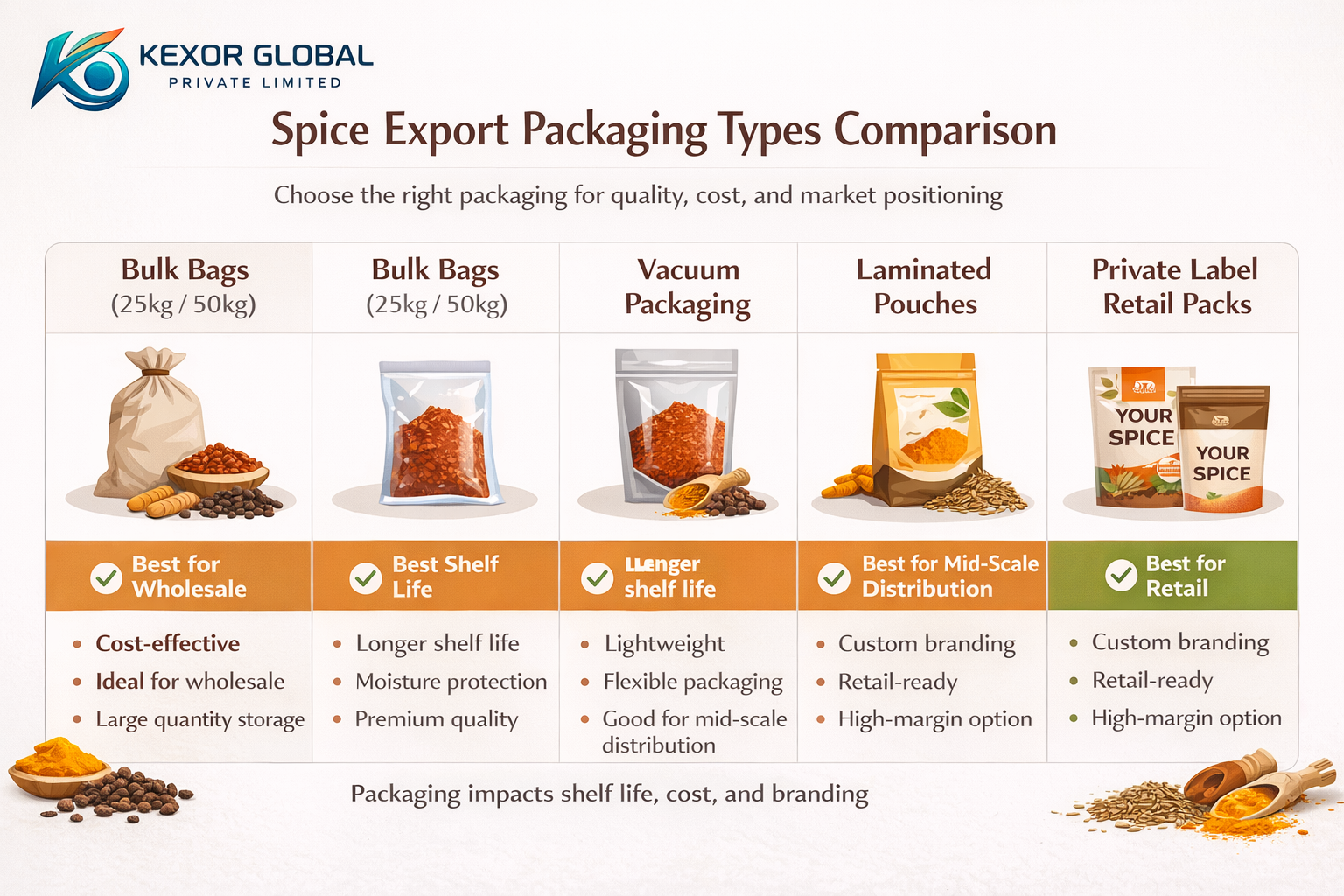
Packaging affects product safety and branding. Common options:
- Bulk bags (25kg or 50kg)
- Vacuum packaging
- Private label packaging
3. Shipping Cost
Shipping cost depends on mode, volume, and destination port. Sea freight is usually preferred for bulk imports due to lower cost.
4. Import Duties and Taxes
Duties vary by spice type, HS code, and trade rules. Check updated tariffs before import.
5. Customs Clearance and Broker Fees
Typical charges include:
- Customs broker fees
- Documentation charges
- Inspection charges
Quick Snippet
The cost of importing spices from India includes product cost, packaging, shipping, customs duties, and clearance charges, which vary based on volume and destination.
Packaging, Shipping and Logistics Strategy
Efficient logistics is key to maintaining product quality and timely delivery.
Packaging for Export
Export packaging must:
- Protect against moisture
- Maintain freshness
- Meet international standards
Common packaging types:
- HDPE bags
- Laminated pouches
- Carton boxes
Shipping Methods
- Sea Freight: Cost-effective and ideal for bulk orders
- Air Freight: Faster delivery but higher cost
Logistics Planning
Ensure:
- Proper documentation
- Insurance coverage
- Shipment tracking
Common Mistakes to Avoid When Importing Spices
- Choosing the cheapest supplier: Can lead to poor quality, inconsistent supply, and compliance risk.
- Ignoring certifications: May cause shipment rejection and legal penalties.
- Poor packaging decisions: Can result in damage and moisture contamination.
- Not understanding import regulations: FDA non-compliance can block shipments.
- No long-term supplier strategy: Frequent supplier changes reduce consistency.
Smart Approach
Work with a reliable long-term exporter who can handle quality assurance, compliance, logistics, and consistent supply. This creates smoother operations and supports business growth.
EEAT Boost
Consistent quality, compliance, and supply chain reliability are core pillars of successful spice import businesses. Experienced exporters help importers minimize risk and scale more efficiently in international markets.
Key Takeaways
- Importing spices from India to the USA requires supplier selection, compliance, logistics, and customs planning.
- Working with certified exporters helps avoid regulatory issues and shipment delays.
- Landed cost planning is essential for profitability.
- Proper packaging and logistics are critical for product quality.
- Choosing a reliable long-term exporter simplifies operations and supports growth.
Featured Snippet
To import spices from India to the USA, businesses must choose a certified exporter, comply with FDA regulations, arrange shipping, and complete customs clearance before distribution.
FAQs
Q1: Is it legal to import spices from India to the USA?
Yes. Importing spices from India is legal when you comply with U.S. FDA rules, including registration, labeling, and food safety standards.
Q2: Do I need a license to import spices into the USA?
In most cases you need FDA registration, import documentation, and food safety compliance. A customs broker can simplify this process.
Q3: What is the minimum order quantity (MOQ) for spice import?
MOQ depends on the exporter, spice type, packaging format, and destination market.
Q4: How long does it take to import spices from India?
Sea freight usually takes 20-40 days and air freight typically takes 5-10 days, depending on customs and inland logistics.
Q5: Which spices are most profitable to import?
High-demand and profitable categories often include turmeric, cumin, black pepper, and chilli powder.
Q6: Can I start a private label spice brand by importing from India?
Yes. Many importers build brands using services from a private label spices manufacturer with export and packaging support.
Ready to Import Spices from India?
If you are looking for a reliable partner to export high-quality spices to the USA, working with an experienced exporter can make the process seamless.
What you get:
- Export-quality spices
- Compliance with international standards
- Flexible bulk ordering
- Private label support
- End-to-end export assistance
Partner with Kexor Global to simplify your import process and scale your business confidently.
Get Started Today
- Request product catalog
- Get bulk pricing
- Talk to export expert
Helpful Internal Resources
Explore our product and sourcing pages if you are evaluating a bulk spices supplier India and planning to work with an Indian snacks exporter for complementary product categories.
You can also review product details for turmeric, cumin, coriander, and black pepper.


